Quinn Werner · 4 October 2026
Widefeld's Night Markets Evolve as Street Vendors Adapt to Shifting Local Regulations
Widefeld's night markets have operated for decades as central gathering points where residents purchase food, crafts, and produce after sunset, yet recent adjustments in permitting and operational rules have prompted vendors to revise their business models. Data from municipal records shows that over 120 licensed stalls participated in the 2025 season, a figure that reflects incremental growth despite tighter compliance standards introduced in prior years. Observers note that these markets continue to draw consistent foot traffic, particularly on weekends when families and workers seek affordable evening options.
Regulatory Updates Shaping Operations
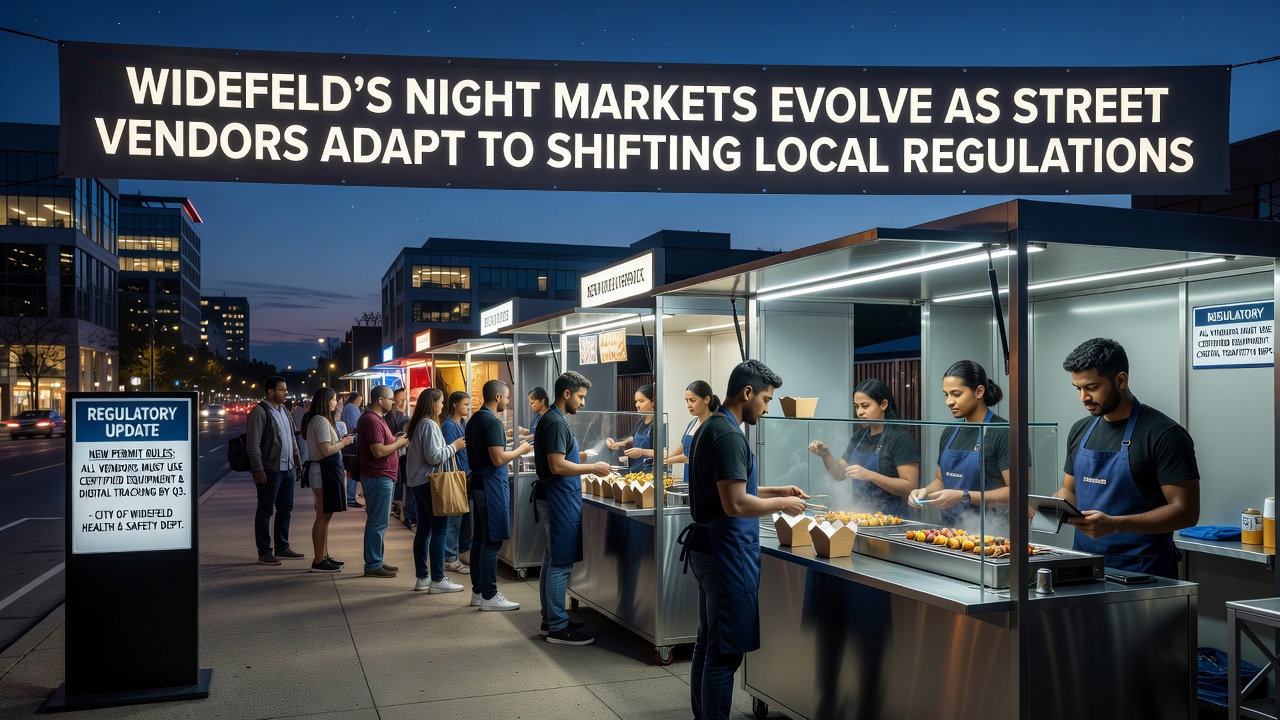
Local authorities implemented revised guidelines on waste management and food handling that took effect at the start of 2026, requiring vendors to adopt reusable containers and temperature-controlled storage for perishables. These measures align with broader European Union directives on environmental standards, which encourage reduced single-use plastics across public events. Street vendors have responded by forming cooperative purchasing groups to share costs for compliant equipment, allowing smaller operators to meet the new thresholds without individual financial strain.
By October 2026 additional licensing categories will distinguish between food-focused stalls and those selling non-perishable goods, a distinction that aims to streamline inspections while addressing specific safety concerns. Records indicate that applications for the updated permits have already begun arriving at the city planning office, with processing times averaging three weeks according to administrative reports.
Vendor Adaptations in Practice
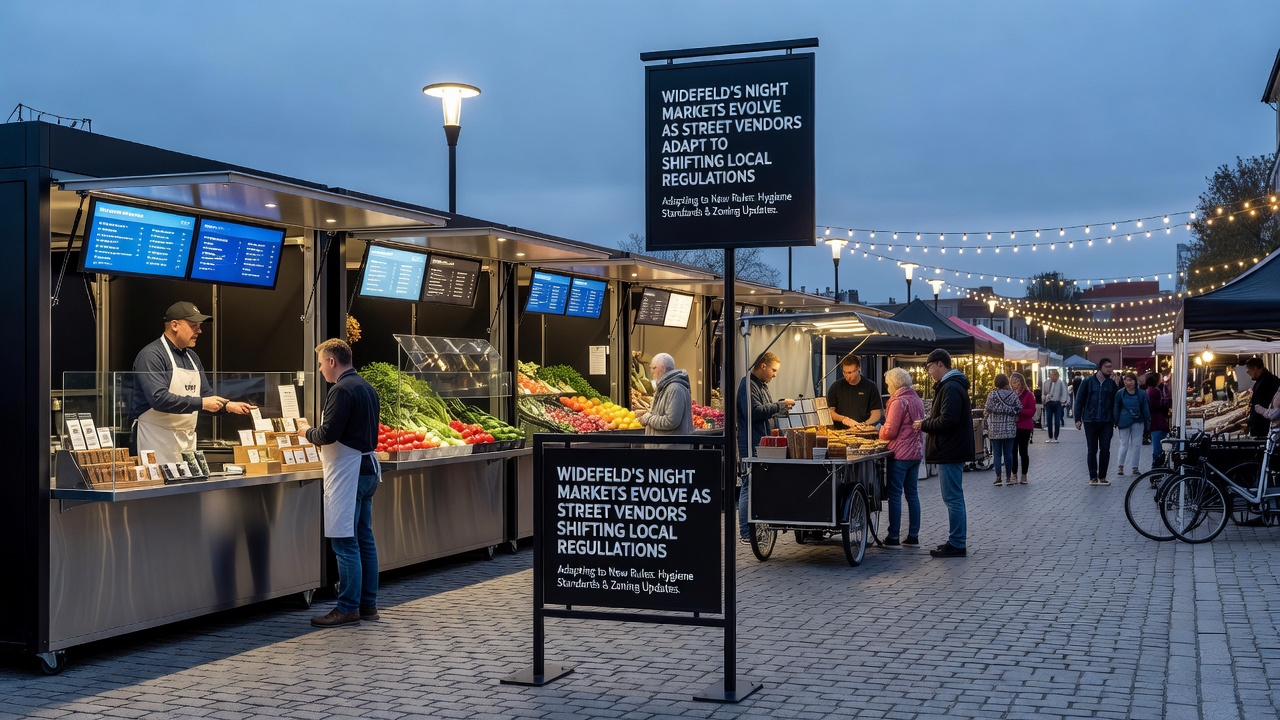
Many vendors have shifted toward digital payment systems and pre-order apps to manage queues more efficiently under the new crowd-control provisions. One operator who specializes in baked goods installed solar-powered lighting and refrigeration units after the municipality offered partial subsidies for energy-efficient upgrades. Such changes reflect patterns seen in other cities where similar rules prompted innovation rather than closure.
Community Impact and Participation Trends
Attendance figures compiled by the local tourism board reveal steady visitor numbers even as stall configurations evolved, suggesting that the markets retain their role as social hubs. Researchers from regional universities have documented how these spaces support informal networking among residents, particularly during seasonal events that coincide with harvest periods. Vendors report that collaborative setups, such as shared seating areas and joint promotional nights, help offset any reductions in individual space allocations.
Training workshops organized through the chamber of commerce have covered topics including permit navigation and sustainable sourcing, drawing participation from both established and newer entrants. These sessions draw on examples from comparable programs in Toronto, where city-supported vendor networks have maintained operations under evolving municipal codes. Participation data shows that repeat attendees value the markets for their accessibility and variety, elements that persist even after layout adjustments.
Looking Ahead to Sustained Operations
Market organizers have begun coordinating with environmental consultants to monitor compliance metrics through the remainder of 2026 and into the following year. Reports from the planning department indicate that feedback channels remain open for vendors to suggest refinements, fostering an ongoing dialogue between regulators and participants. This approach mirrors practices documented in Sydney's night market framework, where iterative policy reviews have supported long-term vendor retention.
Conclusion
Widefeld's night markets continue to function as dynamic economic and social assets while incorporating the requirements of updated local regulations. Vendors demonstrate adaptability through equipment investments, cooperative strategies, and technology integration that align with the October 2026 milestones. Municipal data and participation records confirm that these adjustments occur within a framework designed to balance operational needs with community expectations, ensuring the markets remain active components of the city's evening landscape.