Quinn Werner · 1 November 2026
Transit Revisions in Widefeld Encourage Schools to Fuse Local Archives with Climate Budget Planning
Widefeld transit authorities completed a series of route adjustments and infrastructure upgrades throughout 2025 that altered daily commutes for thousands of residents and created new considerations for local education budgets heading into November 2026. These modifications, which include expanded bus corridors and redesigned stop placements near historic districts, have prompted school administrators to examine how archival materials from the region's past can inform decisions about climate-related spending allocations.
Details on the Transit Adjustments
City planners documented shifts in passenger volumes after implementing dedicated lanes along the central corridor and rerouting several lines to reduce congestion in older neighborhoods. Data from the municipal transport office shows a 12 percent increase in ridership on the revised routes compared with the previous year, while emissions tracking from the same period indicates measurable drops in vehicle-related pollutants in school-adjacent zones. Observers note that these changes coincide with regional targets set by the European Environment Agency for urban mobility improvements, prompting education officials to review how historical land-use records might guide future infrastructure investments tied to climate goals.
School Responses to Changing Conditions
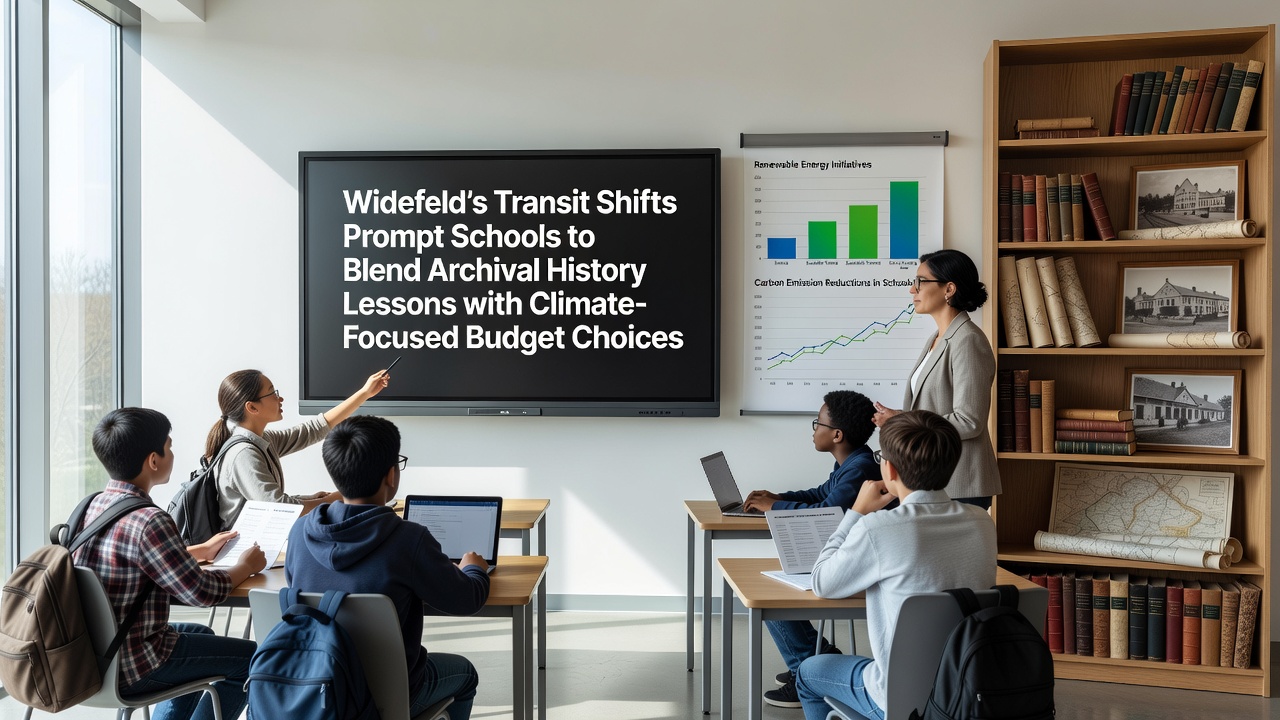
Educators across multiple districts began incorporating primary source documents from Widefeld's municipal archives into social studies units that also cover current budget planning exercises. Teachers report that students now cross-reference 19th-century maps of farmland boundaries with contemporary climate impact assessments when discussing how transit expansions affect green spaces near campuses. This approach emerged after budget committees identified overlapping line items for transportation subsidies and environmental mitigation projects, allowing archival research to support evidence-based allocations without additional staffing costs.
One study from an Australian research institution on urban transport and education linkages revealed similar patterns in other mid-sized cities where route changes prompted curriculum adjustments. Widefeld administrators applied those findings by scheduling joint sessions between history department leads and facilities managers to align archival preservation efforts with energy-efficiency upgrades scheduled for the 2026-2027 academic year.
Integration of Archival Materials
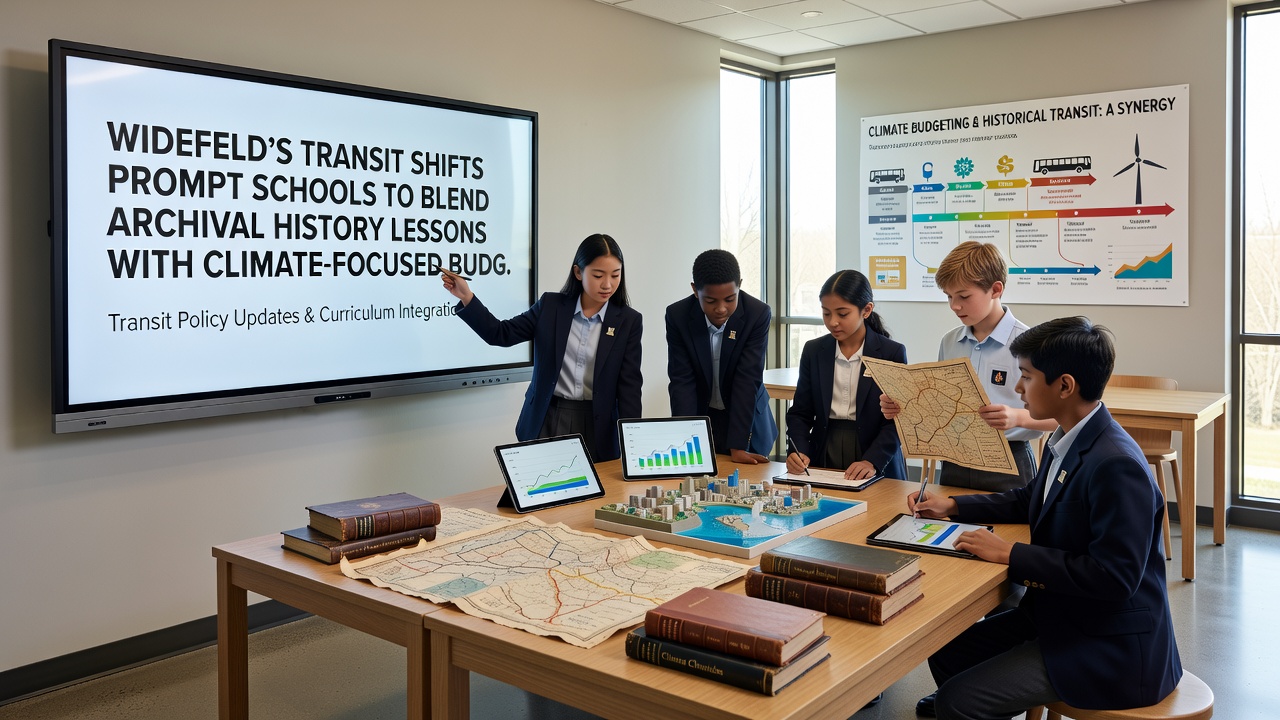
Archivists supplied digitized records showing how early transit networks shaped neighborhood development, which schools then used to illustrate connections between past infrastructure decisions and present climate considerations. Curriculum updates include modules where students analyze property ledgers from the 1920s alongside projections for carbon reduction measures funded through the same transportation budgets. These lessons occur during regular class time and require no separate funding streams, since the archival database already exists through prior municipal digitization grants.
Figures released by the local education authority indicate that 18 schools have adopted at least one such blended unit by the start of the fall term, with participation rates highest in districts directly affected by the newest bus corridors. Researchers from a Canadian university project on climate education documented comparable methods in other communities facing infrastructure transitions, noting that the combination of historical context and budget analysis helps students understand long-term policy implications.
Budget Choices and Climate Priorities
Finance committees allocated portions of transit-related contingency funds toward projects that preserve historic school buildings while incorporating climate-resilient features such as improved insulation and solar-ready rooftops. These choices reflect data from regional emissions inventories showing that older structures contribute disproportionately to energy consumption, and archival photographs helped identify original construction techniques that could inform retrofitting strategies. The process involves cross-departmental reviews scheduled through November 2026 to ensure alignment with both preservation standards and updated transit access requirements.
Industry reports from transport planning associations in multiple regions highlight how such integrated approaches reduce duplication in planning efforts. Widefeld officials followed these models by embedding climate metrics directly into history curriculum objectives, creating measurable outcomes without expanding overall expenditures.
Conclusion
Widefeld's ongoing transit modifications continue to influence how schools structure lessons and manage resources, with archival integration serving as a consistent thread across climate-focused budget decisions. The pattern established ahead of November 2026 demonstrates a practical linkage between historical documentation and contemporary planning needs that other districts may examine as similar infrastructure shifts occur elsewhere.