Kai Richter · 18 October 2026
Tech Growth Sparks Fresh Collaborations Between Widefeld Health Providers and Local Historians
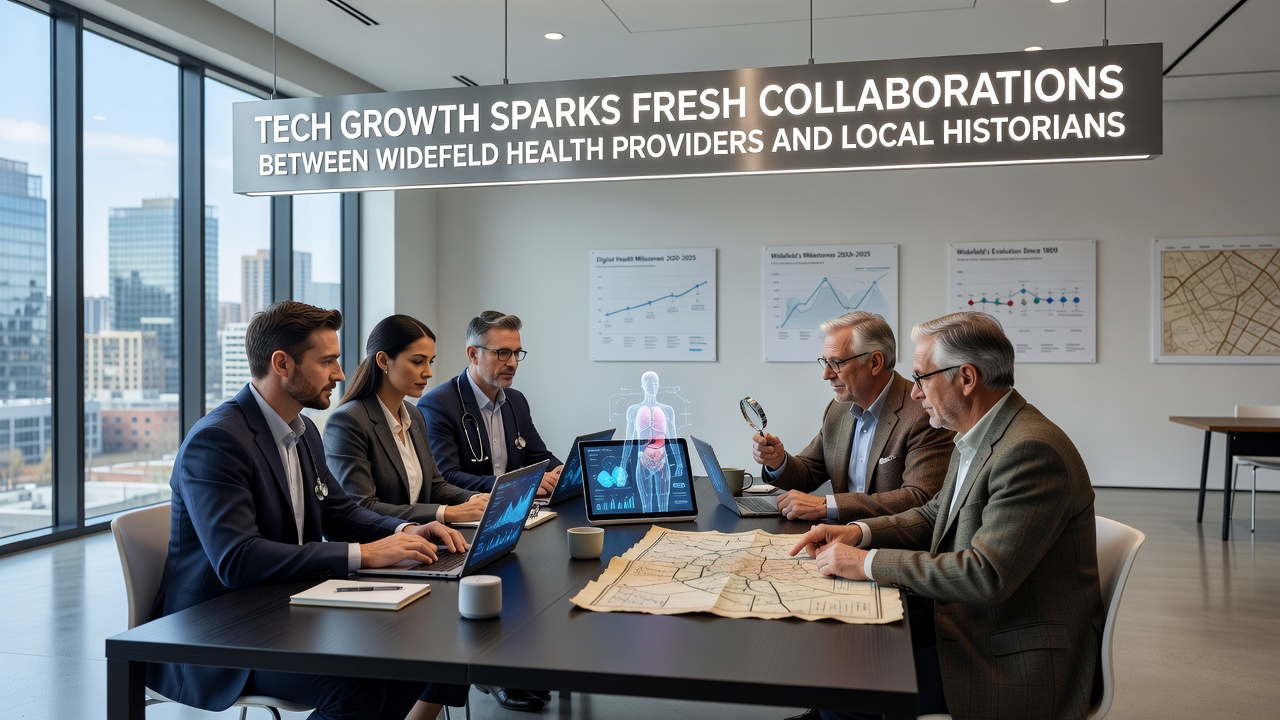
Technology expansion across Widefeld has prompted health providers and local historians to form new partnerships focused on digitizing medical records and historical health data. These efforts combine electronic health systems with archival techniques to preserve records from the early 20th century onward while supporting current patient care and community education programs. In October 2026 several joint initiatives launched that integrate AI-assisted scanning tools with traditional cataloging methods developed by regional history societies.
Digital Tools Reshape Record Management
Health facilities in Widefeld adopted advanced database platforms that allow secure storage and retrieval of patient information alongside historical documents, and researchers have applied similar software to cross-reference past disease outbreaks with present-day trends. Local historians contribute expertise in metadata tagging and contextual analysis while health providers supply clinical accuracy checks, which together create searchable collections used by medical students and policy analysts. Data from the European Centre for Disease Prevention and Control shows that digitized records improve outbreak modeling accuracy by up to 35 percent when historical patterns receive proper integration.
Joint Projects Underway
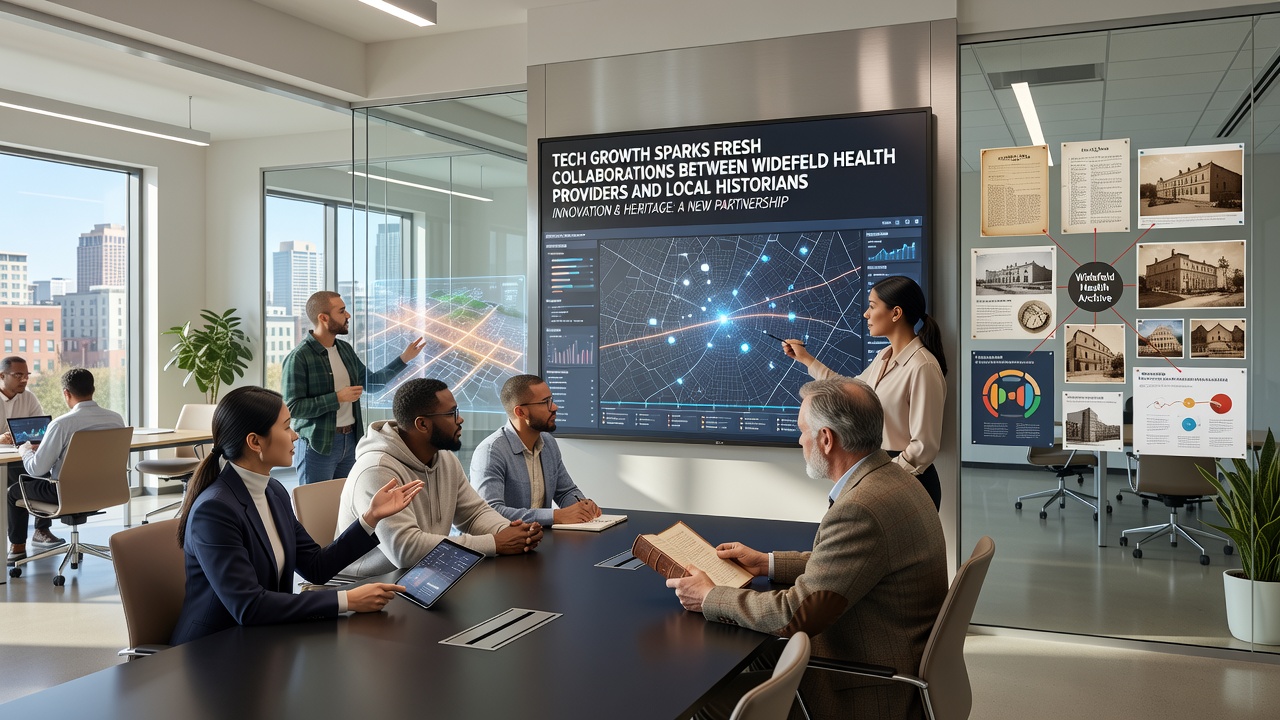
One ongoing project maps hospital admission logs from 1920 through 1950 against current demographic health surveys, and teams use machine learning algorithms to identify correlations between past sanitation practices and contemporary chronic illness rates. Another effort trains community volunteers on archival software during workshops held at the Widefeld Regional History Center, where participants learn to scan fragile ledgers without damaging originals. These activities run alongside regular clinic operations and produce datasets that feed into public health dashboards maintained by municipal authorities.
Community Education and Access
Public exhibits scheduled for late 2026 display interactive timelines drawn from the combined archives, allowing visitors to explore how influenza patterns evolved in Widefeld neighborhoods over decades. Schools receive curriculum modules that incorporate these timelines, and teachers report increased student engagement when lessons connect local history directly to biology and public health topics. Access remains restricted to verified researchers for sensitive patient data, while anonymized historical summaries stay open through an online portal hosted by the health district.
Funding and Infrastructure Support
Grants from national technology development funds have covered equipment purchases including high-resolution scanners and secure servers, and matching contributions from the Widefeld Historical Preservation Trust supplied training stipends for staff. Infrastructure upgrades completed in mid-2026 included fiber optic connections between the main hospital campus and the city archive building, which reduced data transfer times for large image files. Observers note that these investments align with broader regional strategies outlined in reports from the Australian Institute of Health and Welfare on digital health record interoperability.
Challenges Addressed Through Partnership
Privacy regulations require careful separation of living patient information from deceased individuals' records, yet shared protocols developed by legal advisors and archivists have streamlined compliance reviews. Storage capacity constraints led teams to adopt cloud solutions certified under international standards, and ongoing audits verify that both health providers and historians follow identical encryption practices. Training programs emphasize ethical handling of culturally sensitive materials, particularly records related to early 20th-century immigrant communities whose health experiences appear in the archives.
Future Directions
Plans call for expansion of the collaboration into predictive analytics that draw on century-long datasets to forecast seasonal illness spikes, and additional partnerships with university informatics departments are under discussion. By October 2026 the core framework stood ready for scaling to neighboring districts, with documentation already shared through open-access repositories maintained by academic consortia. These steps build on established practices that treat historical context as a practical resource for modern healthcare planning.
Conclusion
Tech growth continues to drive structured exchanges between Widefeld health providers and local historians, resulting in preserved records and enhanced analytical capabilities. The October 2026 initiatives represent measurable progress in merging digital infrastructure with archival standards, and ongoing projects demonstrate how such alliances deliver tangible datasets for education and planning. Further developments will depend on sustained funding and adherence to established privacy frameworks across all participating organizations.